Do BCMs, Clusters & Immobilizers Need Programming?

You just installed a used BCM, instrument cluster, or immobilizer module — and it's still not working. Before you assume you got a bad part, ask one question: does it need to be programmed? On most of these modules, the answer is yes. A BCM and an immobilizer/SKIM module are both tied to your vehicle's VIN as an anti-theft measure — install one that hasn't been matched to your car, and it's designed to stay locked out. An instrument cluster is different: some are true plug-and-play, others need a mileage transfer or a reflash. The programming step isn't a defect in the part — it's the security system doing its job. Here's which modules need it, who can actually do it, and what to check before you buy.
Why These Modules Are Locked to Your VIN
The BCM (body control module) and the immobilizer — sometimes called a SKIM, PATS module, or Pass Key module depending on the manufacturer — are both part of your vehicle's factory theft-deterrent system. That system only works if the module knows which vehicle it's installed in. A used module still carries the programming from the vehicle it came out of, and it can't just be swapped over and trusted. It has to be re-matched — VIN, security data, and (on a BCM) usually the options list for that specific build — before it will operate correctly in your car.
That's a security feature, not an inconvenience aimed at you. The same design that keeps a thief from swapping in a module to bypass your immobilizer is what requires a legitimate buyer to get the replacement module programmed too.
Body Control Module (BCM): Plan on Programming
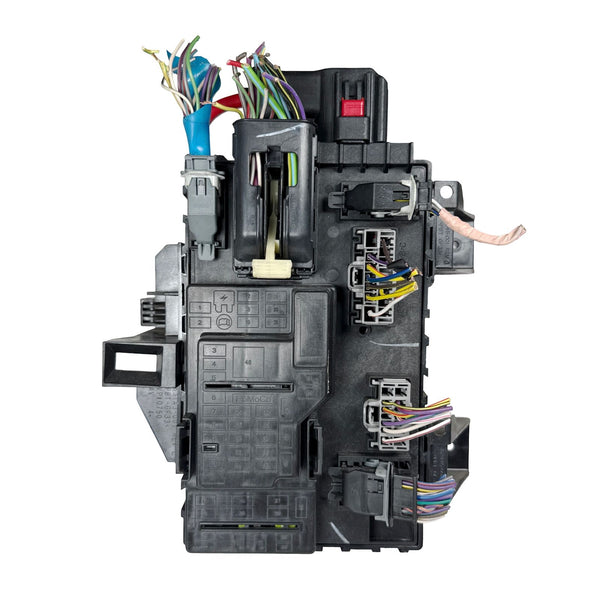
On virtually every used BCM we sell, the listing says it outright: programming to the receiving vehicle's VIN is required before use. That's true across GM, Ford, and Chrysler platforms alike — the BCM manages lighting, power accessories, locks, and communication between the vehicle's other modules, and none of that works right until it's matched to your car. A generic used BCM installed without programming typically won't run the vehicle's electrical systems correctly, and depending on the platform it can prevent a start entirely.
If you're chasing BCM symptoms in the first place — random electrical gremlins, inoperative locks or windows, warning lights that don't make sense — see Bad Body Control Module (BCM): Symptoms & Diagnosis. Once you've confirmed the BCM is the problem, browse our tested, in-stock Body Control Modules — every listing states plainly whether programming is required.
Instrument Clusters: It Depends on the Platform
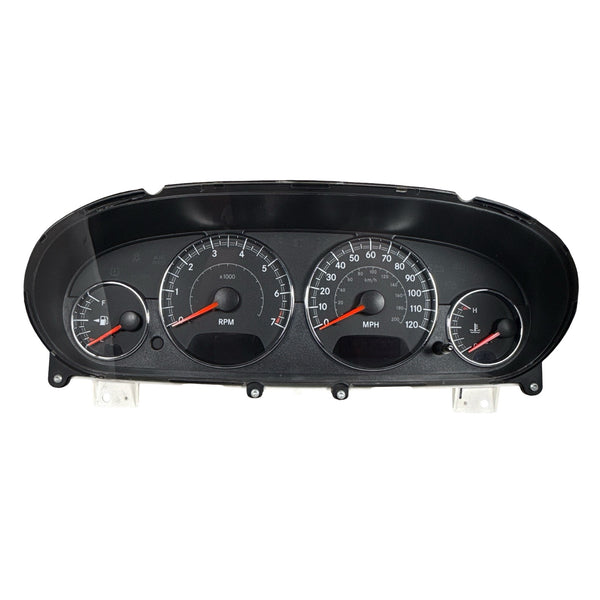
Clusters are the one module on this list where the answer is genuinely "it depends." Some platforms ship a cluster that's close to plug-and-play — swap it in, and the gauges work. Others require programming or a mileage/VIN transfer before the cluster will read correctly or clear warning lights. We've sold both kinds side by side: a used cluster for one Chrysler platform states programming is required before installation, while a used cluster for a different Ford platform carries no programming requirement on file (just a note to verify configuration compatibility). There's no single rule that covers every cluster — check the specific listing, every time.
If your symptom is gauges dropping out, an inaccurate speedometer, or warning lights tied to the cluster itself (not the sensor feeding it), start with Diagnosing a Failing Instrument Cluster, then shop our Instrument Clusters — the programming note is called out on each listing.
Immobilizer Parts: It Depends on Whether the Part Stores Your Key Data
Not every immobilizer part needs programming — it comes down to whether the specific part stores your vehicle's key and security data or just reads it. That distinction tells you whether a programming appointment is coming.
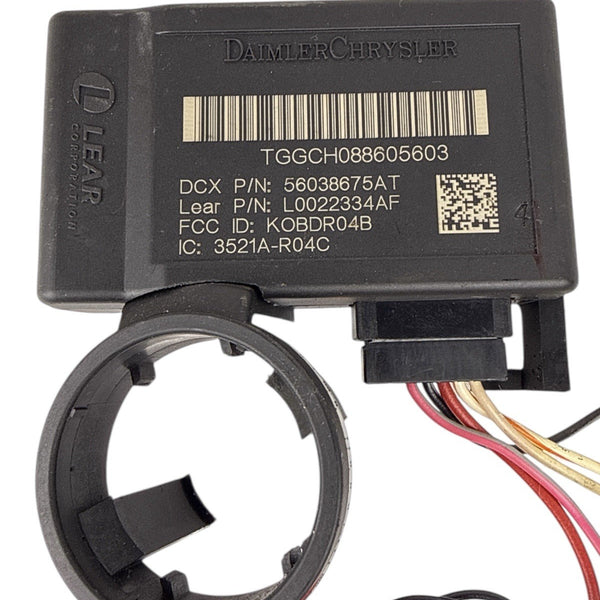
Key-storing modules do need programming. A Chrysler SKIM/SKREEM (also called a WCM), and any immobilizer module that holds the vehicle's key and security data, has to be re-matched to your VIN and keys — and that can't be done in your driveway. Every SKIM/immobilizer module listing we carry says so up front. A dealer can do it; so can most licensed automotive locksmiths, who carry the same security-access equipment for GM, Ford, and Chrysler-family platforms and usually charge less than a dealer visit.
Ford PATS transceivers (the antenna ring) are plug-and-play. The PATS transceiver — the ring around the ignition lock that reads your key — is a passive antenna with no stored logic. Replace it with the same (or a compatible same-connector) part number, and as long as your keys are already programmed to the vehicle, it works immediately: no reprogramming, no dealer trip. That's why a tested used ring is a smart buy — it fixes the common "cranks but won't start with a flashing THEFT light" failure without a programming visit. Adding new keys or replacing the PCM is a different job that does need programming, but swapping the ring itself doesn't.
For the symptom side — a car that cranks but won't fire, a security light that won't clear, a key that won't program — see Vehicle Immobilizers: The Part That Keeps Your Car From Starting. Browse our tested Immobilizer / SKIM modules and PATS transceivers — each listing states whether programming is required.
Module programming, at a glance
| Module | Programming typically needed? | Who can do it |
|---|---|---|
| BCM (Body Control Module) | Yes — nearly always, VIN- and options-specific | Dealer, or an independent shop with the manufacturer-level scan tool |
| Instrument Cluster | Sometimes — varies by platform | Dealer or programming shop if required; some are plug-and-play — check the listing |
| Immobilizer module (SKIM / SKREEM / WCM — stores key data) | Yes — by design | Dealer or a licensed automotive locksmith only |
| Ford PATS transceiver (antenna ring — passive) | No — plug-and-play with the same part number and already-programmed keys | DIY; no programming needed |
Who Can Actually Program It
A dealer's service department can always do it — that's the fallback that works on every platform. For BCMs and clusters, plenty of independent repair shops carry the same manufacturer-level scan tools and can program a module for less than a dealer visit. For immobilizer/SKIM/PATS modules specifically, a licensed automotive locksmith is usually the faster and cheaper option — key and immobilizer programming is their specialty, and most carry mobile rigs that come to you.
What to Check Before You Buy a Used Module
- Read the listing description — we state the programming requirement directly on the product page (e.g., "Programming to the receiving vehicle's VIN is required before use"). If you don't see a note either way, ask before you order.
- Have your VIN and, for a BCM, your vehicle's options/build info handy — whoever programs it will need it.
- Budget the programming appointment into your repair, not just the part cost — for a BCM or immobilizer, the module alone won't get your vehicle running.
- If you're not sure which category your symptom points to, message Hubes with your vehicle and what it's doing — we'll help you land on the right part before you order.
Frequently asked questions
Do I need to program a used BCM before it will work?
Yes, on nearly every platform we sell BCMs for. The listing will say so directly — programming to your vehicle's VIN is required before use. Budget for a dealer or programming-capable shop visit along with the part.
Does a replacement instrument cluster need programming?
It depends on the platform — some are plug-and-play, others need a mileage/VIN transfer or a reflash. Check the specific listing; we note it directly when programming is required.
Can I program a SKIM or immobilizer module myself?
No — not a module that stores key data (like a Chrysler SKIM/WCM). The system is designed so it can't be self-authorized; it has to be done by a dealer or a licensed automotive locksmith. A Ford PATS antenna ring is different — see the next question.
Does a Ford PATS antenna ring (transceiver) need programming?
No. The PATS transceiver ring is a passive antenna with no stored logic. Replace it with the same or a compatible same-connector part number and, as long as your keys are already programmed to the vehicle, it works right away — no reprogramming. Programming is only needed if you're adding new keys or replacing the PCM.
Does it have to be the dealer, or can someone else do it?
A dealer can always do it. For BCMs and clusters, many independent shops carry the same manufacturer-level scan tools. For immobilizer/SKIM/PATS modules, a licensed automotive locksmith usually handles it faster and for less than a dealer visit.
What happens if I install a module without programming it?
On a BCM or immobilizer, expect it not to work correctly — some vehicles won't even start. That's the security system doing its job, not a defective part. A cluster without required programming may show inaccurate readings or won't clear certain warning lights.
Will you tell me if a part needs programming before I buy?
Yes — check the listing description; we state it directly when it applies. If it's ambiguous for your specific vehicle, message Hubes and we'll confirm before you order.
Programming isn't us being difficult — it's the same security design that keeps these parts affordable in the first place. A used BCM or immobilizer is a fraction of new precisely because it isn't pre-matched to a stranger's car; that last step is on you (or your shop) to complete. If you're not sure what your specific vehicle needs, message Hubes with your VIN and symptom and I'll walk you through it before you order.
— Hubes