Sticky, Peeling, or Cracked Interior Trim? A Buyer's Guide


Sticky, peeling, or cracked interior trim usually can't be cleaned back to new — the soft-touch coating and plastics break down with heat and UV. The lasting fix is to replace the piece with a matched used OEM part. The catch is getting an exact match, and the surest way is the original part number, which encodes your interior color and finish.
What's happening to your interior trim
That tacky, gummy dash or the chrome peeling off a bezel isn't dirt — it's the material breaking down. Starting in the late 1990s, automakers coated dashboards, bezels, and handles in a soft-touch finish that looks great new but turns sticky as the plasticizers migrate to the surface under years of heat and sun. Hotter climates see it in five to seven years; cooler, cloudier ones can go a decade. Toyota and Lexus went as far as a support program covering millions of dashboards that cracked or melted in high heat. Once it starts, it doesn't reverse — it spreads.
Repair or replace?
You can strip and repaint a sticky panel — a vinyl-and-plastic paint like ColorBond is the usual route — and for a hidden piece that's a fine budget fix. But it's a band-aid: you're painting over a substrate that's still degrading, and matching the factory grain and sheen on a visible dash rarely looks right up close. For anything a passenger sees, replacing the piece with a matched OEM part is the cleaner, longer-lasting answer — and often cheaper than a dealer panel.
The real challenge: matching the exact piece
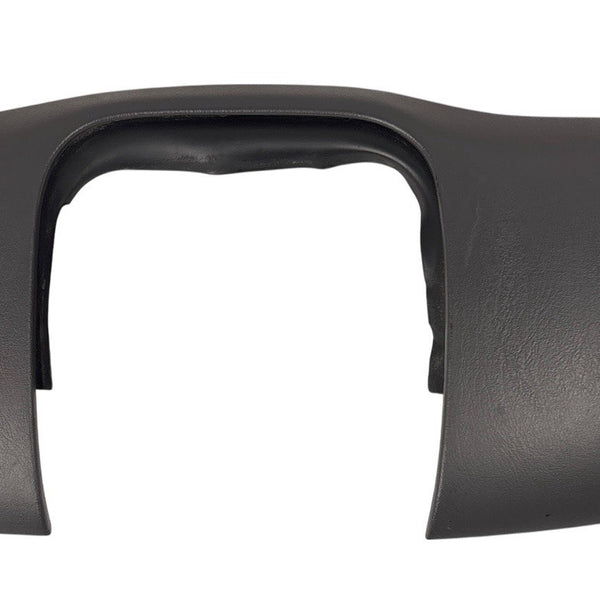
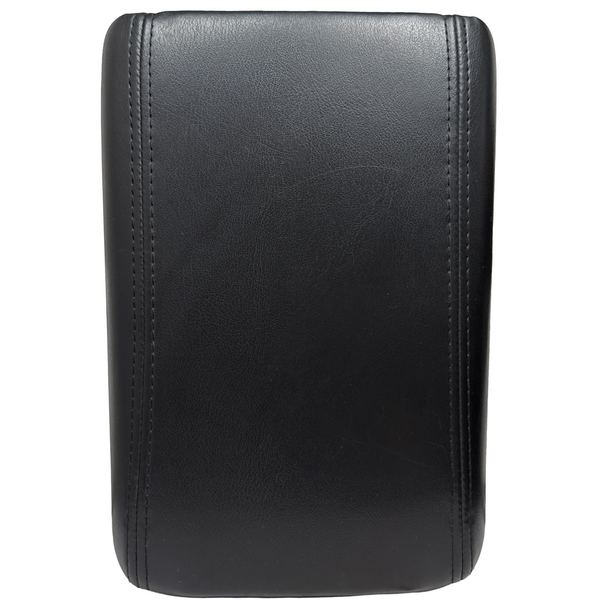
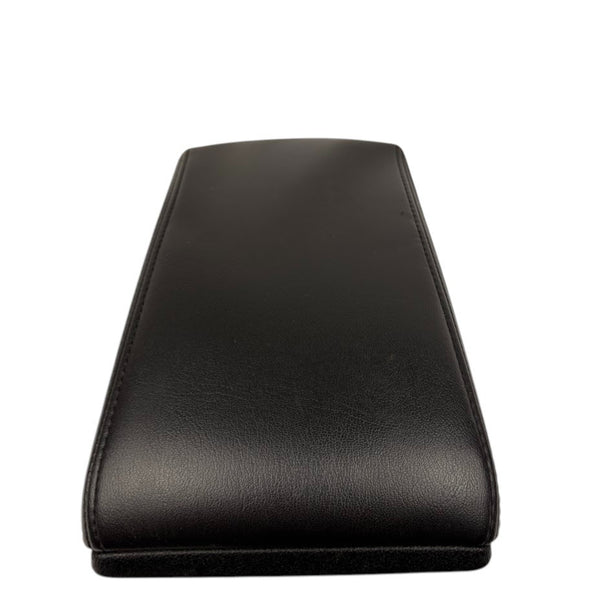
Interior trim is one of the hardest parts to match, because the "same" piece isn't one part. It varies by interior color, finish (woodgrain vs. carbon vs. piano black), and options — a dash bezel changes with the radio and climate setup; a console lid changes with the seat and armrest style; higher trim levels get different materials entirely. Get any of those wrong and the part fits but looks off. So before you buy, pin down three things: your interior color code, your trim level, and the options on that specific piece.
Find your interior color code
The color code is stamped on a factory sticker — the location depends on the make:
- GM (Chevrolet, GMC, Buick, Cadillac): the Service Parts Identification sticker — usually in the glovebox, on the driver's door pillar, or in the spare-tire well. The interior/trim code is in the lower-right block.
- Ford and Lincoln: the door-jamb or door-pillar sticker (the same label that lists your tire pressures) carries a trim code.
- Chrysler, Dodge, Jeep, and Ram: the driver's-door sticker, on the line labeled "TRM:".
Match that code and you've solved most of the color problem before you even look at photos.
The surest match: the OEM part number
Better than any color chart: read the OEM part number off the back of your old piece. On most parts the number's suffix encodes the color and finish, so an identical part number is a near-guaranteed match. Look for a molded-in or stickered number on the back of the panel, cross-reference it (interchange numbers often cover the same piece across a few years and models), and buy the piece that carries your number. That's the whole game — the part number does the matching for you.
Buying used trim the smart way
Used OEM beats aftermarket here, because the factory piece is the only guaranteed match for color, texture, and grain — the same reason OEM beats aftermarket across the board. When you buy used, the one thing to check is the back of the panel — the plastic mounting clips and tabs. That's what actually holds trim in place, and a snapped clip means a rattle or a piece that won't seat. A good seller shows you the back and calls out any broken tabs. On install, work slowly around the edges with a trim tool; most interior pieces are clip-in, and patience saves the clips. New to buying used parts? Our guide on how to buy used auto parts and actually get what you’re paying for covers the fundamentals.
Why used OEM from Hubes Hub
Every interior piece we sell is a real OEM part, pulled and inspected — we verify the part number so you're matching your piece, note the color and any wear honestly, and photograph the back so you can see the clips before you buy. No aftermarket guesswork, no surprises. Browse what we have in interior trim and bezels.
— Hubes
Frequently asked questions
How do I find my interior color code?
It's on a factory sticker — GM's Service Parts Identification label (glovebox, door pillar, or spare-tire well), Ford's door-jamb label, or the "TRM:" line on a Chrysler, Dodge, or Jeep door sticker.
Does the part number tell me the color?
On most interior pieces, yes — the suffix of the OEM part number encodes the color and finish, so an identical part number is the safest match.
Will a bezel or console from a higher trim level fit mine?
It usually bolts in, but it may not match — trim levels use different colors, finishes, and materials, and some pieces differ by options like the radio or climate controls. Match the part number and options, not just the model.
Is used OEM better than repainting a sticky dash?
For anything you see, usually yes. Repaint is a budget band-aid over a substrate that keeps degrading; a matched used OEM piece restores the factory color, grain, and fit.
What should I check when buying used interior trim?
The back of the panel — that all the mounting clips and tabs are intact. Broken clips cause rattles and pieces that won't seat.
Written by
Chris Huber, Owner — Hubes Hub
30 years in OEM auto parts — most of it spent in Michigan. At Hubes Hub I source, test, and ship every OEM part that leaves the shop — and I answer the inbox. If you're working through a tough repair and aren't sure which part you need, message me before you order.
More about the shop →