
Steering & Power Steering Parts
2 results
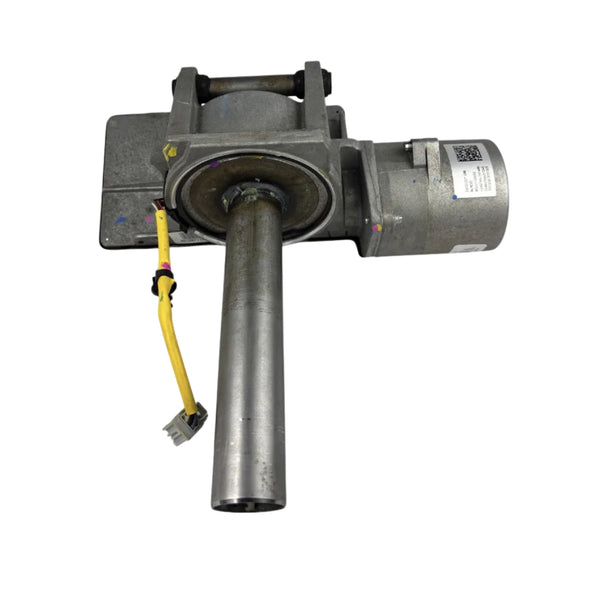
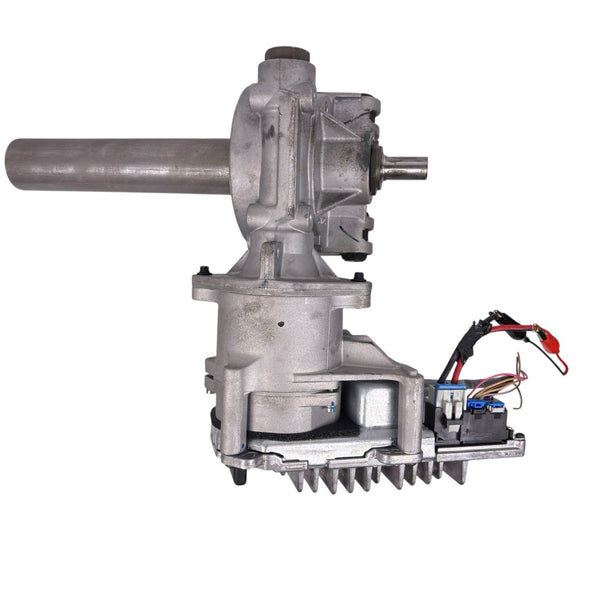
OEM steering columns, power steering pumps, clock springs, and steering wheel controls for Ford, Dodge, Jeep, and GM vehicles. Every part is tested and refurbished before shipping — no core charge, no programming headaches, no guesswork. Backed by a 30-day guarantee.
Diagnosing a bad steering column assembly? Why they fail and what to do →
Common questions
How do I know if my power steering needs work?
Symptoms vary by what's failing. The diagnostic patterns:
- Hydraulic power steering pump failing. Whining or growling noise that gets louder when steering, especially at low speeds. Steering may feel heavier than normal. Often accompanied by low fluid level if there's a leak.
- Power steering fluid leak. Visible fluid under the vehicle, low fluid level in the reservoir, gradual loss of power assist. Common leak points: pump shaft seal, hose connections, rack-and-pinion seals.
- Electronic power steering (EPS) module failure. Steering warning light on the dash, intermittent loss of assist, steering that feels fine sometimes and heavy other times. EPS-equipped vehicles store fault codes that point at the module or the torque sensor.
- Steering column components. Loose or sloppy steering wheel feel that's not coming from worn tie rods or ball joints often points at a worn steering shaft, U-joint, or column bearings.
Power steering symptoms can mimic other problems (brake drag, worn front-end components, alignment issues). Diagnose before replacing parts.
Will an electronic power steering module need to be programmed?
Usually yes. EPS modules carry vehicle-specific calibration including torque sensor zero-point, steering angle reference, and platform-specific assist curves. Replacement typically requires programming with a scan tool that has the right software for the platform, plus a torque sensor calibration and steering angle reset on installation.
Hydraulic power steering components (pumps, hoses, rack-and-pinion assemblies) are mechanical and don't require programming.
Each EPS module listing in our shop specifies what programming will be required. If you're not sure, send your VIN — Hubes will tell you straight.
What's the condition of used steering components?
Used steering components ship in the condition shown in the listing photos. Steering is a safety-critical category, so intake inspection is rigorous:
What gets pulled at intake and never reaches inventory:
- Pumps with shaft play, internal noise, or seal damage
- Rack-and-pinion assemblies with internal play, leaks, or damaged mounting bushings
- EPS modules that fail bench tests or have water-damaged boards
- Steering shafts or columns with worn U-joints, damaged splines, or compromised collapsible sections
What gets sold:
- Pumps that test clean on the bench
- Rack assemblies with tight, smooth action and no leaks
- EPS modules that boot cleanly and pass communication checks
- Column components with proper mechanical action and no play
See Parts, condition & testing for the Grade A — Tested standard.
What years and makes do you carry steering components for?
Coverage varies as inventory turns. Hubes Hub stocks steering and power steering components across most domestic and major import platforms. The live listing on the Steering & Power Steering Parts collection shows what's in stock right now.
If you don't see your vehicle, send your VIN and what you're replacing. Hubes can tell you whether something fitting your build is coming through the bay.