
Electronic Control Modules & Relays
23 results
Genuine OEM electronic control modules, body control modules (BCMs), and relays. Tested for proper circuit function. Direct-fit replacements for Ford, Dodge, Jeep, and Chevy applications.
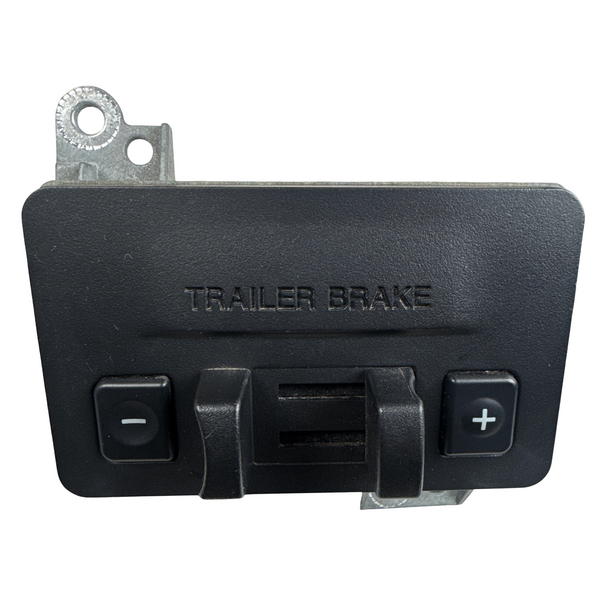
2009-2010 Ford F-150 Trailer Brake Control Module (TBCM) AL34-2C006 OEM
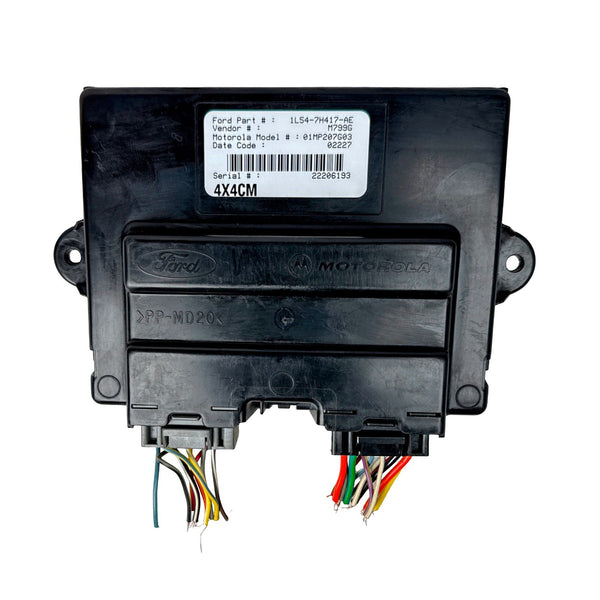
2001-2005 Ford Explorer Ranger Transfer Case Control Module TCCM 1L547H417AE OEM
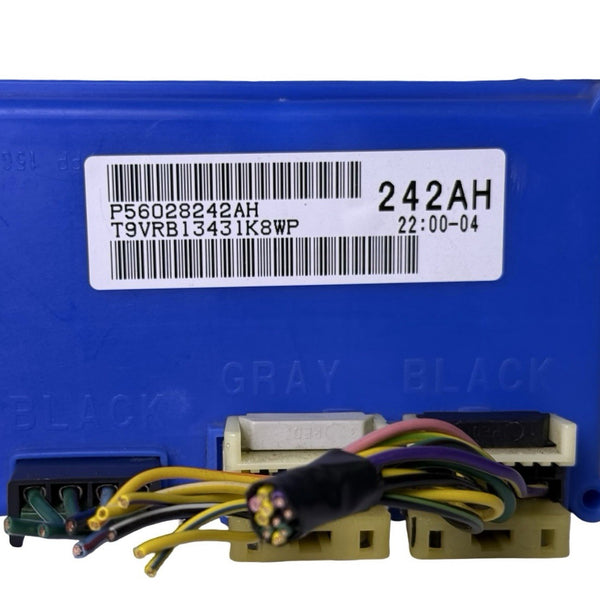
2001-2004 Dodge Durango Dakota TCCM Transfer Case Control Module P56028242 OEM
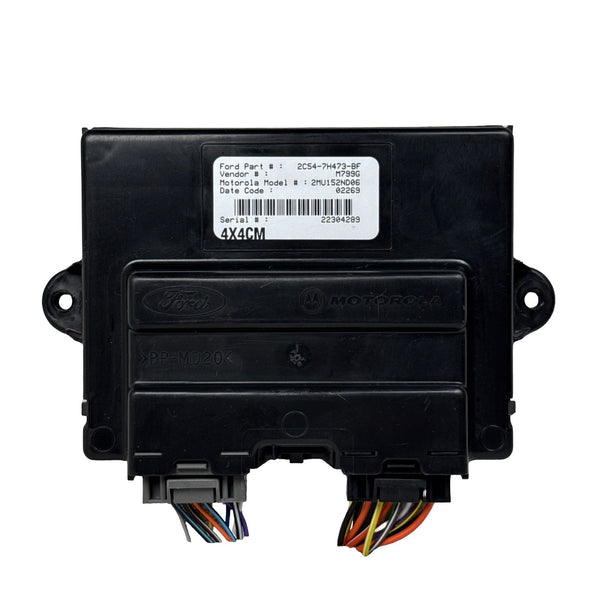
2002-2003 Ford Explorer TCCM Transfer Case Control Module 2C547H473BF OEM
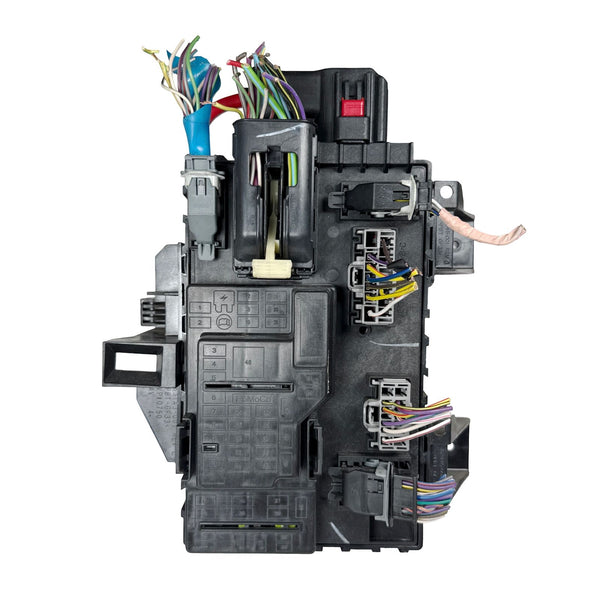
2009-2010 Ford F-150 Body Control Module BCM AL3T15604DD OEM
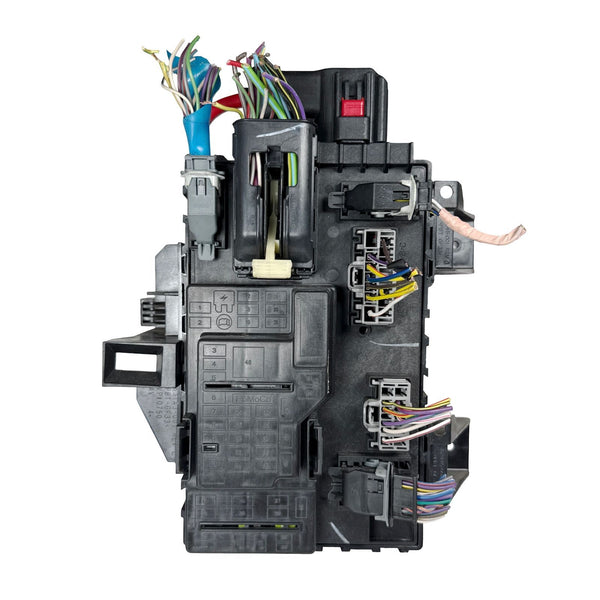
2009-2010 Ford F-150 Body Control Module BCM AL3T15604DC OEM

2007-2014 Chevy Silverado Transfer Case Control Module TCCM 24252878 OEM
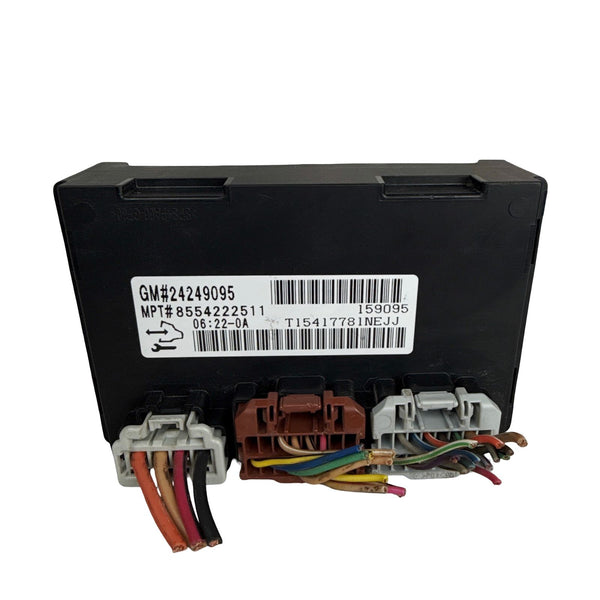
2007-2014 Chevy Silverado Sierra Transfer Case Control Module TCCM 24249095 OEM
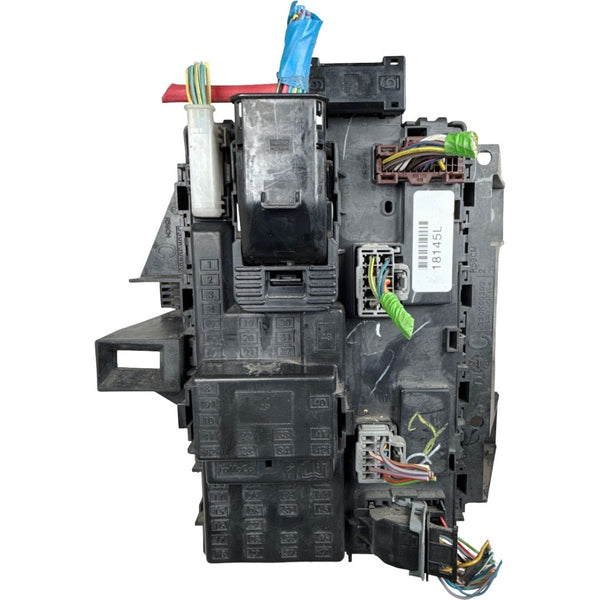
2011-2014 Ford F-150 Body Control Module BCM SJB DC3T-14B476-DB OEM
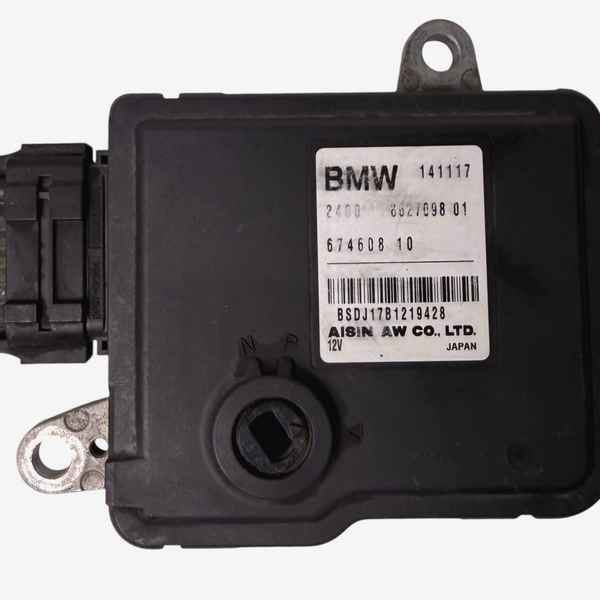
2016-2023 BMW X1 X2 Transmission Control Module TCM TCU 8627098 OEM

1999-2002 Ford Expedition Transfer Case Control Module TCCM XL14-14B194-AA OEM

2011-2012 Ford F-250 Super Duty BCM SJB Body Control Module BC3T-15604-DG OEM

2011-2015 Ford F-150/250 Explorer BCM SJB Body Control Module FC3T-15604-BB OEM

2009-2010 Ford F-250 Super Duty BCM SJB Body Control Module AC3T-15604-CC OEM

2008-2010 Ford Explorer Transfer Case Control Module TCCM 8L2A-7H473-AA OEM

2002 Ford Explorer Transfer Case Control Module TCCM 1L24-7H473-AG OEM

2004-2009 Mazda 3 Anti Lock Brake Pump Control Module 6N61-2C405-GB OEM
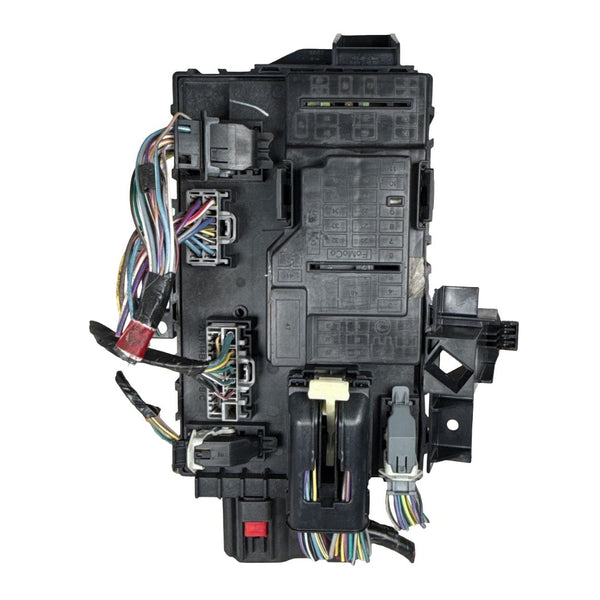
2011-2014 Ford Expedition Body Control Module BCM SJB Fuse Box BL1T-15604-AA OEM

2011-2014 Ford F-150 Trailer Brake Control Module TBCM BL34-2C006 OEM

2007 Chevy Tahoe Suburban Avalanche Transfer Case Control Module 24239928 OEM

2002-2003 Ford Explorer Transfer Case Control Module TCCM 1L24-7H417-AL OEM
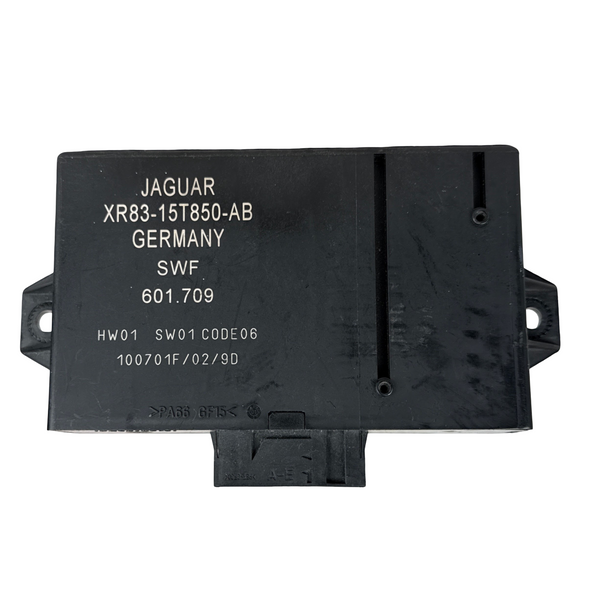
2000-2003 Jaguar S-type Reverse Parking Control Module XR83-15T850-AB OEM
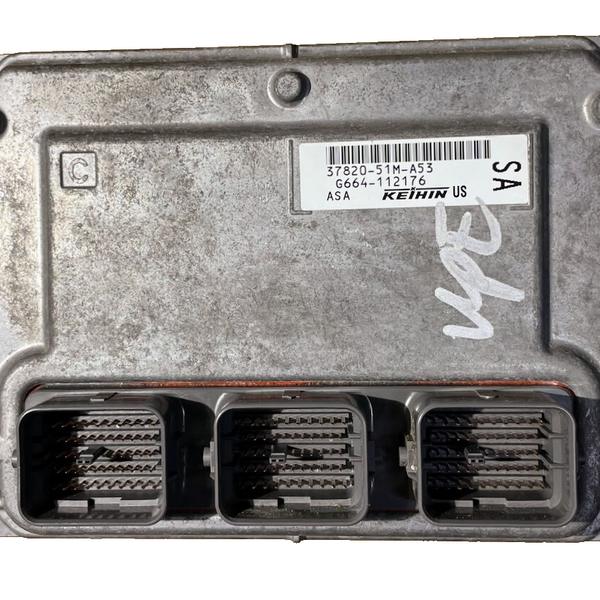
2018 Honda Hr-v AWD Sport 1.8L i-VTEC Engine Control Module ECU ECM 378205R1 OEM
Common questions
What's the difference between an ECM, BCM, PCM, and TCM?
All four are vehicle control modules; each manages a different system: - **ECM (Engine Control Module)** — manages engine functions: fuel injection, ignition timing, emissions controls, idle speed. - **PCM (Powertrain Control Module)** — combines ECM and TCM functions into a single unit on many vehicles. - **TCM (Transmission Control Module)** — manages automatic transmission shift logic, line pressure, and torque converter lockup. - **BCM (Body Control Module)** — manages body electrical functions: lighting, locks, windows, alarm, interior systems. "Engine computer" generally refers to the ECM or PCM. Symptoms and diagnosis paths differ depending on which module the fault points to. Pull codes before assuming which module is involved.
How do I know which module is the actual problem?
A trouble code points at a circuit or function the system has self-diagnosed as faulty — but the same code can be set by a bad sensor, damaged wiring, a corroded connector, or the module itself. Module replacement is generally the last step in diagnosis, after ruling out the simpler causes. The diagnostic pattern that points at a module specifically: - You've ruled out sensors and wiring on the affected circuit - Multiple unrelated codes appear that share a common module - The module fails communication tests (loss-of-communication codes from other modules pointing at this one) - Codes return immediately after clearing with no driving If you've worked through the components and the module remains the prime suspect, send Hubes your VIN and the codes you're pulling. We'll confirm whether the unit we have for your vehicle is the right replacement before you buy.
Will a replacement module need to be programmed?
Almost always for engine, powertrain, and transmission modules (ECM/PCM/TCM). These modules carry vehicle-specific calibration data, security keys, and learned values that don't transfer between vehicles. Replacement requires programming with the correct calibration for your platform plus, in many cases, a VIN write and security relearn. Body control modules vary — some are plug-and-play with VIN auto-learn from the network; others require programming. The listing description specifies what each unit will need. Programming generally requires a scan tool with the right software for the platform (factory tool, J2534-compatible programmer with manufacturer subscription, or equivalent). It's not the kind of job you complete with a generic OBD-II reader. If you're not sure what your install will need, send your VIN and the part number — Hubes will tell you straight.
What's the difference between OEM and aftermarket modules?
OEM modules are made by the original manufacturer with the hardware design and software calibration the rest of your vehicle's electronics expect. Aftermarket alternatives include rebuilt modules, programmed-to-order substitutes, or universal-fit replacements. Two specifics on control modules: - **Calibration matching.** OEM modules carry the exact calibration files for your vehicle. Aftermarket replacements sometimes use generic calibrations that work but introduce subtle drivability issues. - **Network communication.** Modules talk to each other across CAN bus or other vehicle networks. OEM modules use the protocol the rest of the vehicle expects; aftermarket substitutes can introduce communication faults that show up on other modules. Every control module Hubes Hub sells is OEM, sourced from a documented vehicle, and bench-tested before listing. See [Parts, condition & testing](/pages/faq#parts-grade-a-tested) for the Grade A — Tested standard.
Are control modules interchangeable across model years?
Sometimes within the same generation of a platform, but the part number is the deciding factor. OEM modules supersede across model years when the underlying hardware and calibration stay the same — but small revisions can route a single newer part number to multiple older platforms or split a single older platform into multiple newer ones. Two-step verification: 1. **Compare the part number on your old module to the OEM Part Number on the listing.** Exact match means exact fit. "Supersedes to" or "replaces" references also indicate fit. 2. **If the part numbers don't obviously match, send your VIN.** Manufacturer supersession is more complex on control modules than on simpler parts; we'll confirm the right unit. See [Fitment & vehicle compatibility](/pages/faq#fitment-how-to-confirm) for the full process.
What years and makes do you carry control modules for?
Coverage varies as inventory turns. Hubes Hub stocks control modules and relays across most domestic and major import platforms. The live listing on the [Electronic Control Modules & Relays collection](/collections/electronic-control-modules-relays) shows what's in stock right now. If you don't see your vehicle, send your VIN and the codes you're pulling. Hubes can tell you whether something fitting your build is coming through the bay.