Salvage Auto Parts: What They Actually Are, and Why Smart Buyers Choose Them


Salvage yard. For a lot of people, that phrase calls up a mental image of a rusted field, fluorescent lights flickering over a parts counter, and a guy who doesn't want to answer questions. That image is 30 years out of date, and it's costing people real money on real repairs.
Here's what salvage auto parts actually are — and why they're often the best choice, not the last resort.
Let's Get the Myths Out of the Way First
Myth: Salvage parts are worn out junk. Reality: A salvage part comes from a vehicle that was totaled, retired, or parted out — not necessarily a vehicle with high mileage or mechanical problems. Vehicles get totaled over body damage, airbag deployment, frame damage, or flood events. The engine, transmission, and electronics often have hundreds of thousands of miles of life left. We pull parts from vehicles all the time that came in with 40,000–60,000 miles on them.
Myth: You don't know what you're getting. Reality: You know exactly what you're getting if you buy from a seller who tests and represents their parts honestly. The part number is the part number. The year, make, and model it came from is documented. The test results are documented. What you don't know is what you're getting with a no-name aftermarket part from an unknown manufacturer with no production history — that's the situation where you're actually in the dark.
Myth: Salvage parts don't come with any assurance. Reality: A reputable seller tests parts before they ship and stands behind them. Our return policy exists because we're confident in what we're selling.
Myth: The dealer won't touch a salvage part. Reality: Some dealers won't; many will. What a dealer won't do is tell you to buy salvage, because they make money selling new OEM parts. Their preference and your best interest aren't always the same thing.
What Salvage Parts Actually Are
A salvage auto part is a genuine OEM component — original equipment, manufacturer-spec, the same part that was installed in the vehicle at the factory — removed from a vehicle that's been retired from service.
That's it. It's not a knockoff. It's not rebuilt (unless it's listed as remanufactured). It's the original part, from the original production run, that was running in a vehicle before that vehicle came to the end of its road.
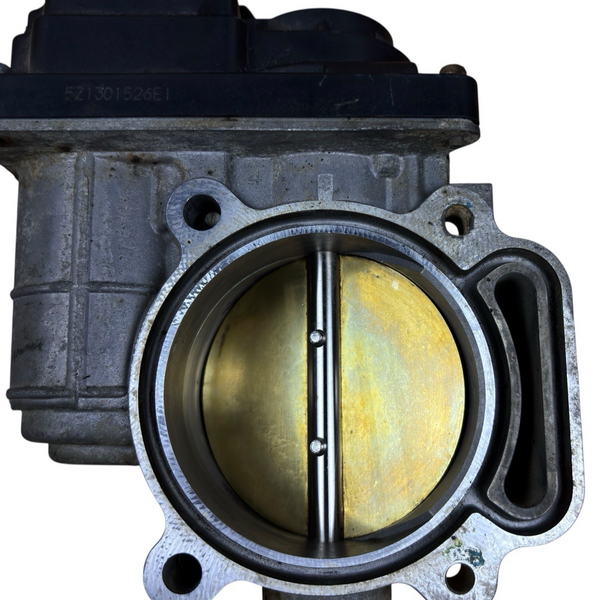
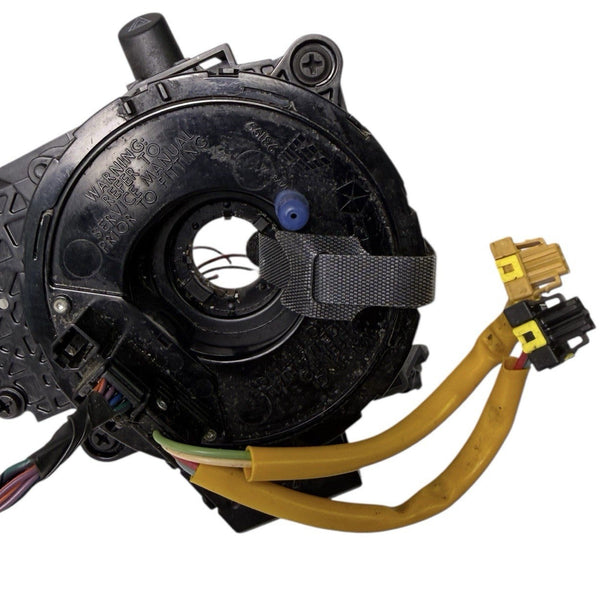
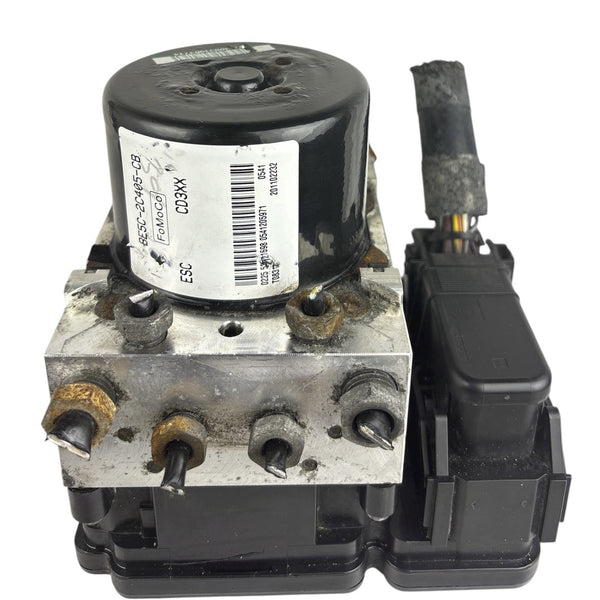
For electronics especially — clock springs, immobilizer modules, ABS modules, TIPMs, instrument clusters, throttle bodies, BCMs — this matters enormously. You're not gambling on whether an overseas factory built a PCB to OEM tolerances. You're getting the actual OEM component. The one the manufacturer built. The one that's been running a real car.
Parts That Are Impossible to Find Any Other Way
This is an underappreciated reason to buy salvage: for older vehicles, the salvage yard is often the only place the part exists.
Dealers discontinue parts. Aftermarket manufacturers don't make everything. When a vehicle is 15+ years old, the parts ecosystem has largely moved on — except for the parts that are still out there in vehicles being retired.
A 2006 Jeep Grand Cherokee SKIM module. A 2004 Buick Park Avenue instrument cluster. A 2003 Ford F-150 PATS transceiver ring. These are parts that are difficult or impossible to source new. The salvage supply is the supply. And there's usually more of it than people expect, because these vehicles were built in large numbers and a lot of them are still being retired today.
If you own a vehicle from the early-to-mid 2000s and you need an electronic component, your honest options are: salvage, remanufactured (variable quality), or aftermarket (variable quality). The salvage OEM part, from a tested seller, is the strongest option in that list.
Price: What Salvage Actually Costs Versus the Alternatives
The price difference between new OEM dealer pricing and tested salvage OEM is significant — typically 60–80% less on electronic modules. Some examples from what we regularly see:
- Chrysler SKIM module: $200–$400 new OEM / $40–$80 tested salvage
- Ford clock spring: $150–$300 new OEM / $35–$70 tested salvage
- GM TIPM-equivalent BCM modules: $300–$600 new OEM / $60–$120 tested salvage
- GM 3.8L throttle body: $120–$200 new OEM / $40–$70 tested salvage
The programming or installation labor is the same regardless of where the part comes from. What you save is on the part itself — which, for a vehicle that's 10–15 years old and worth $5,000–$8,000, changes the math on whether the repair even makes sense.
The Environmental Argument (Which Is Actually a Good One)
This is the reason that doesn't get mentioned enough: buying salvage parts extends the useful life of parts that already exist, reduces demand for new manufacturing, and keeps functional components out of the scrap stream.
A throttle body or a clock spring represents meaningful manufacturing resources — aluminum castings, precision electronics, rare earth materials. If it still works, it should still work in a car. That's not a marketing line. It's just obvious.
The automotive salvage system is one of the most effective recycling systems in American industry. More than 80% of a vehicle's materials are eventually recovered and recycled. The parts we sell are the ones that are still functional — extending their service life before that recycling happens. That's a good outcome for everyone.
What to Look For in a Salvage Parts Seller
Not all salvage sellers operate the same way. Before you order from anyone, here's what to confirm:
Testing. Does the seller actually test the parts they list, or do they pull and list? For electronic components, "tested good" should mean functionally tested — not "visually inspected" or "plugged in and the light came on." Ask.
Part documentation. Can they give you the donor vehicle's year, make, model, and mileage? The part number? A seller who knows their inventory knows where their parts came from.
Returns. What's the return window? What's required? A seller who tests their parts has confidence in them and reflects that in their return policy.
Feedback. For eBay and other marketplace sellers, read the feedback — not just the score, but the actual reviews. Look for patterns: do customers mention receiving the right part? Do they mention it worked? Do they mention problems?
We've built a 99.9% positive feedback rating across 3,100+ sales not because we're lucky, but because we take the testing and documentation seriously. That's the baseline you should hold any seller to.
Frequently Asked Questions
Are salvage parts safe to use? Yes, when they come from a reputable seller who tests them. For safety-critical components — airbag systems, brake components — we recommend additional care: verify fitment carefully, and have safety systems inspected after installation if there's any question.
Will salvage parts void my warranty? If your vehicle is still under manufacturer warranty, using non-OEM parts (including salvage OEM) can affect warranty coverage for the specific system involved. Check your warranty terms. For out-of-warranty vehicles, this isn't a concern.
How do I know a salvage electronic part will work with my car's other modules? Match the part number, year, and model. For modules that require programming (SKIM, PATS, some BCMs), the programming step handles the system integration.
What's the return policy if a salvage part doesn't work? Our return policy covers parts that don't function as described. Message us. We'll make it right.
Is it worth buying salvage for a vehicle with high mileage? Yes — often more so. If you have 150,000 miles on a vehicle that runs well, a repair at salvage part pricing makes economic sense. At new OEM pricing, the same repair might not.
If you're tight on cash and you need to get your vehicle running — to get to work, to get the kids to school — message us. We'll work with you. That's not a policy, it's just how we operate.
Browse our salvage OEM inventory
— Hubes
Written by
Chris Huber, Owner — Hubes Hub
30 years in OEM auto parts — most of it spent in Michigan. At Hubes Hub I source, test, and ship every OEM part that leaves the shop — and I answer the inbox. If you're working through a tough repair and aren't sure which part you need, message me before you order.
More about the shop →