AHR Headrest Deployed on Its Own? Symptoms & Fix

If the front headrest in your Jeep Grand Cherokee or Dodge Durango snapped forward on its own, nothing hit you — the active head restraint deployed. A high-tension spring inside is held by a plastic latch, and that plastic gets brittle with age and heat. Once it lets go, the headrest has to be replaced.
What is an active head restraint?
The front headrests on these vehicles are part of the restraint system, not just padding. Inside each one is a spring-loaded mechanism that pushes the headrest up and forward in a rear-end collision, closing the gap behind your head before it can snap back. It is held ready by a plastic latch.
That latch is the failure point. Heat cycling makes the plastic brittle over the years until it cracks and releases the spring — with no crash at all.
What are the symptoms of a failing AHR headrest?
Sometimes the first symptom is the failure itself. But there is usually a warning, and it is worth knowing before the spring lets go:
- Unprovoked deployment. The headrest snaps forward over a small bump, closing a door, or sitting still.
- Bulging leather or fabric, or a loose back shell. The internal latch is losing its grip under spring tension. This is the warning sign before it lets go.
- An airbag or SRS warning light on the dash, with restraint-system codes stored.
Is there a recall on Jeep and Dodge active head restraints?
No. NHTSA opened investigation PE19014 in September 2019 and closed it on 25 February 2026 without a recall, after concluding it could not validate serious injuries across more than 8,500 inadvertent deployments.
One detail is worth stating precisely, because it is usually reported loosely: NHTSA said that closing the investigation “does not constitute a finding by NHTSA that a safety-related defect does not exist.” The agency closed it on the strength of a manufacturer extended-warranty program, which NHTSA describes as covering inadvertent AHR deployment for ten years / unlimited mileage from the vehicle's in-service date.
Read that last part carefully. The clock runs from when the vehicle was first put into service, not from when you bought it — so a good number of vehicles of this era have already aged out, and the dealer bulletins administering the program have rolled out in phases by model and year. Have a dealer check your VIN before you buy anything. That is the same check the manufacturer's own warranty bulletin tells dealers to run, and it is the only way to know where your specific vehicle stands.
Do not strap it shut
Zip ties, tape and glue are not a fix. These are restraint components tied into the airbag system. A headrest held shut by a zip tie cannot do its job in a rear-end collision — and a deployed one blocking your rearward view is a visibility problem on its own.
What does it take to replace one?
The headrest comes out of the seat posts. You are replacing the headrest assembly, not the seat — dealers commonly quote the full seat assembly for this job, which is where the sticker shock comes from.
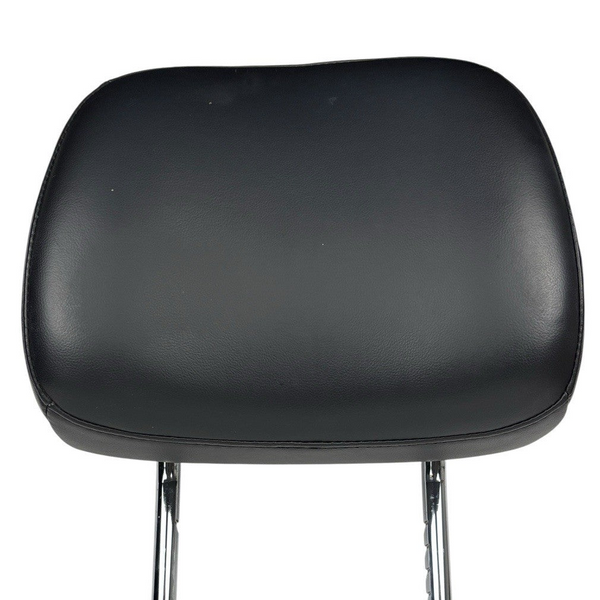
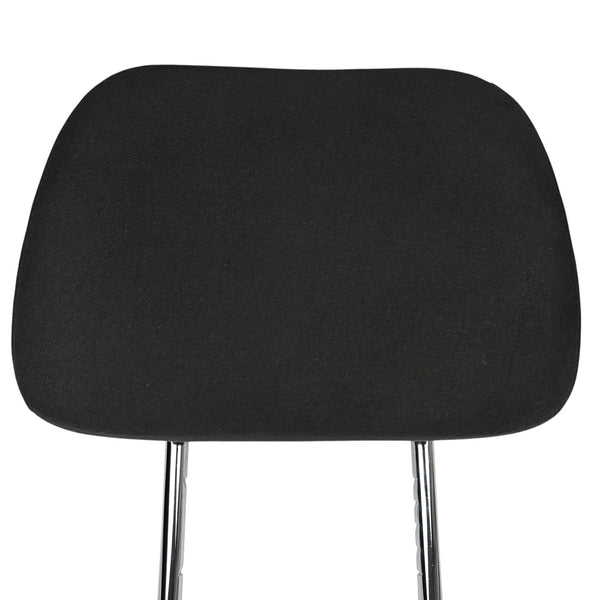
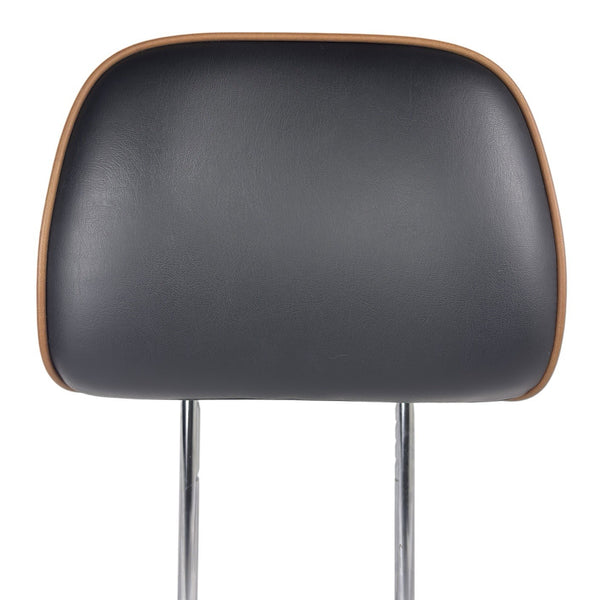
What matters when matching is color and material, and on some trims the piping. These are trim-coded parts: a Black Leather and a Black Cloth are different part numbers, not the same part in two shades.
Fitment
Front active head restraints for 2011–2021 Jeep Grand Cherokee and Dodge Durango — the platforms we stock. The same mechanism appears on other Chrysler-group vehicles of the era.
Match color and material as well as year: browse Headrests.