Dodge & Chrysler TIPM Failure: Symptoms & Fixes

If your Dodge or Chrysler has random electrical problems — a fuel pump that won't prime, wipers or door locks acting on their own, or a battery that keeps dying — the most likely culprit is the TIPM, the Totally Integrated Power Module. It's the computerized fuse-and-relay box that controls most of the car's electrical system, and when its internal relays or circuit board fail, the symptoms look random because the TIPM touches almost everything. Here's how to tell it apart from a bad battery or alternator, and what the fix actually involves.
What a TIPM is, and why one failure looks like ten
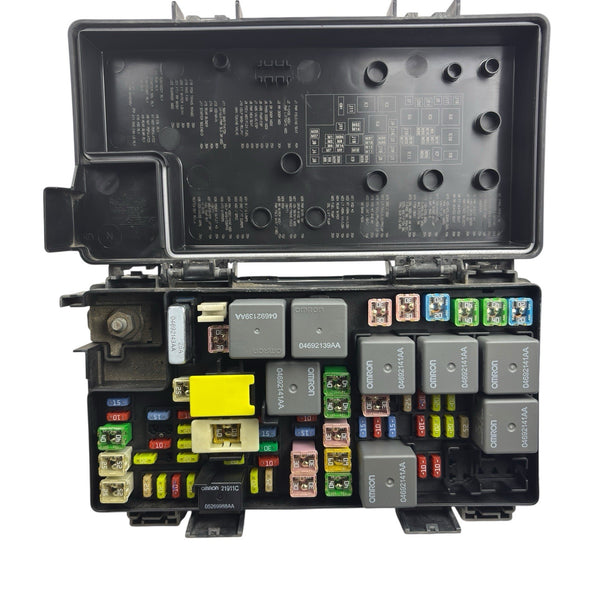
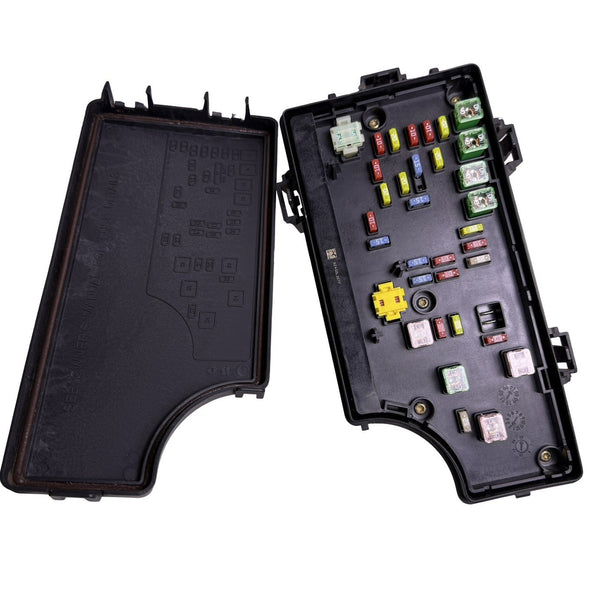
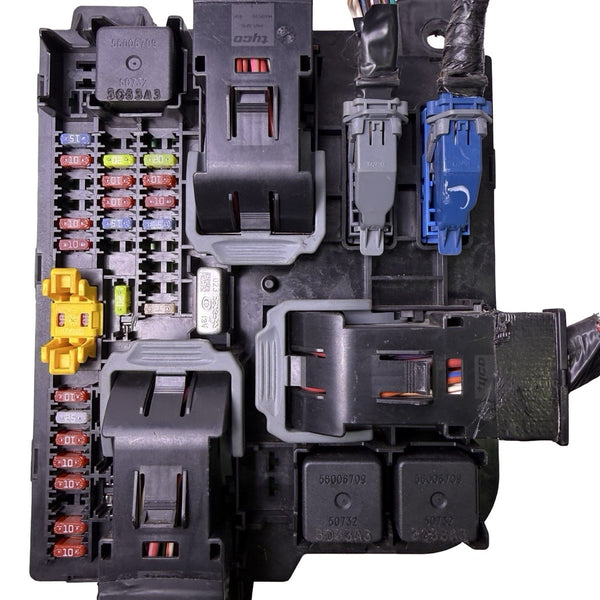
The TIPM (Chrysler's name for it; you'll also see "integrated power module" or just "fuse box") sits under the hood and combines the fuse box, the relays, and a small computer into one sealed unit. Instead of separate relays you can swap, the switching logic is built into the board. That's why a single failing TIPM throws symptoms all over the car — the part that switches your fuel pump is the same part that switches your wipers, headlights, and horn.
The symptoms that point to the TIPM
- No-start or stalling. The classic failure is the internal fuel-pump relay. The pump doesn't prime — no buzz from the tank when you turn the key to "on" — or the engine stalls and won't restart. This is the most-reported TIPM fault on 2007–2014 Chrysler minivans.
- Phantom electrical behavior. Wipers running on their own, doors locking and unlocking, the horn honking, or lights coming on with no input.
- Repeated dead batteries. A TIPM that won't "go to sleep" keeps circuits powered and drains the battery overnight — a parasitic draw.
- Intermittent accessories or several unrelated warning lights at once.
How to diagnose it before you buy a part
The symptoms overlap with a weak battery, a bad ground, or a failing alternator — so rule out the cheap stuff first:
- Load-test the battery and check alternator output so you're not chasing a TIPM for a charging problem.
- Listen for the fuel pump priming for about two seconds at key-on. Silence with a no-start points hard at the TIPM's fuel-pump relay. A common field test is back-probing or jumping that relay — if the pump runs when jumped but not normally, the TIPM's switching side is the fault.
- Check for a parasitic draw if batteries keep dying. A draw that doesn't drop after the modules sleep (about 20–40 minutes) is a TIPM signature.
- Scan for codes — but know that TIPM faults often throw no clean code; the behavior is the diagnosis. A shop with a Chrysler-capable scanner can run TIPM actuator tests directly.
Chrysler issued recalls and NHTSA opened investigations into the fuel-pump-relay failure on 2011-era minivans — if yours is in that range, check your VIN against any open recall at NHTSA before paying for the part.
The fix: a tested OEM TIPM (and why not aftermarket)
Because the TIPM is computerized, a replacement has to match your vehicle's configuration, and some need a quick re-flash to your VIN — your part listing or a Chrysler-capable shop will tell you which. We don't recommend aftermarket here: the failure modes live in the board and relays, and a known-good OEM unit is the reliable fix. Every TIPM in our fuse box & TIPM collection is bench-tested before it ships.
Common failure-prone units we stock include the 2008–2010 Chrysler Town & Country / Dodge Grand Caravan, the 2007–2010 Chrysler Sebring / Dodge Avenger, and the 2007–2009 Dodge Durango / Chrysler Aspen — check the parts below for exact fitment and part numbers. (If your no-start comes with a flashing security light instead, the immobilizer may be the real culprit — different part, similar headache.)
Frequently asked questions
Can I drive with a failing TIPM? It's risky — if the fuel-pump relay quits you can stall in traffic, and phantom electrical behavior is unpredictable. Diagnose it promptly.
Does a replacement TIPM need programming? Some do (a VIN re-flash); many are plug-and-play if the part matches your build. Confirm for your specific vehicle.
Is it the TIPM or just the battery? Load-test the battery and alternator first — a TIPM that won't sleep causes dead batteries, so a fresh battery alone won't fix it.
— Hubes